The psychology behind why people enjoy gambling activities
Understanding the Thrill of Risk
Gambling, at its core, is fundamentally about taking risks. The adrenaline that accompanies uncertainty can be intoxicating. This “thrill of risk” is tied closely to the psychology of reward and what scientists refer to as the dopamine response. When individuals gamble, they engage a set of neurobiological pathways that are stimulated by the potential for winning. This makes the act of placing bets feel rewarding, as if they are pursuing a desirable outcome.
Moreover, the anticipation leading up to a gamble can heighten the overall experience. This need for excitement and pleasure can often override logical thinking, leading people to chase a win despite possible losses. As players immerse themselves in the moment, they experience a kind of euphoria that can become addictive. For many, this sensation is what turns gambling from a simple pastime into a thrilling obsession.

Additionally, the prospect of winning can spark a sense of hope and excitement within individuals. Even the smallest victories can trigger feelings of accomplishment and encourage further participation. The cycle of betting, anticipating, and possibly winning creates an emotional rollercoaster that many find hard to resist, further enhancing the addictive nature of gambling.
The Role of Cognitive Dissonance
Cognitive dissonance occurs when an individual faces conflicting beliefs or emotions, creating a sense of discomfort. In gambling, players may rationalize their losses in various ways, leading them to continue participating. For example, a gambler might believe that their luck is about to change or that they need to win back what they’ve lost, which can lead to an escalation of play. This internal conflict can provide a unique psychological drive to keep engaging with gambling activities.
This phenomenon can often make it difficult for individuals to detach from gambling, even when it no longer brings them joy. The mind tends to cling to past successes while dismissing losses, leading to a skewed perception of reality. As a result, people may feel compelled to “chase” losses, which ultimately perpetuates their gambling behavior. Additionally, cognitive biases may make it easier for gamblers to ignore negative outcomes, reinforcing unhealthy patterns.
The Social Aspect of Gambling
Gambling isn’t just a solitary activity; it often occurs in social settings like casinos or among friends. This social aspect adds another layer to why people enjoy gambling. Being in a group can amplify the excitement and create a sense of community among gamblers. Interactions with fellow players often lead to shared narratives, making the experience feel more significant.
Additionally, social gambling can be a form of escapism. Individuals may turn to gambling as a means to escape from daily stressors or life challenges. The camaraderie found in gambling venues can provide emotional support, making the experience comforting even amid risk. Hence, the social environment enhances the allure of gambling, attracting individuals who seek both enjoyment and connection. The shared experience can transform gambling into a tradition or a bonding activity, further deepening its appeal.
The Influence of Marketing and Environment
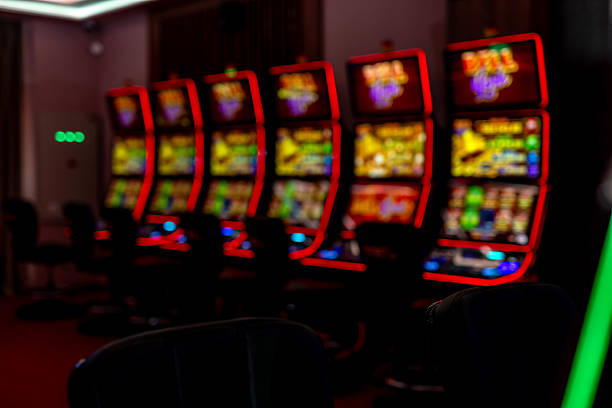
The designed environment of a casino or a betting platform plays a critical role in encouraging gambling behavior. Bright lights, sounds of excitement, and the layout of gaming options create a stimulating atmosphere that can easily lure individuals in. This sensory engagement often leads to the “loss of track of time,” urging players to stay longer and bet more. Marketing strategies also exploit psychological triggers, such as highlighting wins and downplaying losses.
Moreover, promotions and rewards can create a sense of urgency, enticing players to make quicker decisions before time runs out or offers expire. Such tactics ensure that people remain engaged with their gambling activities, often beyond their financial limits. The combination of a captivating environment and effective marketing enhances the attractiveness of gambling, making it more appealing to the masses. It’s not uncommon for individuals to feel an intense loyalty to a particular brand or casino, as advertising fosters emotional connections to gambling experiences.
Your Gateway to Responsible Gambling
If you find yourself curious about gambling activities and how they can fit into a responsible lifestyle, resources are available to guide you. Understanding the psychological factors that drive gambling can empower you to make informed decisions. Engaging responsibly with activities such as those found in a fast payout casino can provide a fun experience while ensuring you remain in control.
By cultivating awareness around the psychological elements behind gambling, individuals can enjoy the thrill while also prioritizing their well-being. This balance is crucial in ensuring that gambling remains a source of entertainment rather than a path to negative consequences. Ultimately, responsible gambling practices can lead to a fulfilling experience without compromising personal integrity. Setting limits and being aware of one’s mental state while gambling can significantly enhance the fun and minimize potential risks associated with this activity.